iTRUST Case Study: Multi-Location Optical Group in Texas (Epic Interoperability Focus)

Overview
A multi-location optical and retail group in Texas selected iTRUST to consolidate their optical EHR, POS, and retail operations while establishing future-ready Epic interoperability, enabling the group to integrate with partnered medical systems and referring ophthalmology networks using EpicCare.
Before iTRUST, the group used a mixture of legacy EHR/POS systems with no direct Epic interoperability, making it difficult to exchange patient demographics, schedules, exam data, referrals, and billing information with Epic-enabled health systems across Texas.
iTRUST provided a unified clinical + retail platform and built an interoperability-ready architecture using the same HL7 and FHIR-based workflows commonly used in Epic environments.
Challenges Before iTRUST
1. Zero Epic Interoperability
The group struggled to exchange data with hospital/ophthalmology partners on Epic, specifically:
- No ADT inbound/outbound connectivity
- No CCD/clinical summary exchange
- No FHIR-based demographic or scheduling sync
- Manual referral workflows
- No automated routing to Epic specialty clinics
This caused delays, double documentation, and high administrative overhead.
2. Fragmented Systems Across All Locations
- Multiple non-integrated EHR/POS systems
- Email/fax-based lab orders
- Limited reporting across sites
- No single source of truth for clinical or retail workflows
3. Manual Insurance Workflow
- Slow processing
- Manual eligibility checks
- Frequent claim errors
- No unified billing reporting
4. Inconsistent Patient Experience
Patients visiting multiple locations saw inconsistent:
- Exam workflows
- Retail checkout
- Frame inventory
- Contact lens and glasses ordering processes
Why They Chose iTRUST (Epic-Focused Selection Criteria)
The leadership team selected iTRUST because it offered:
Epic Interoperability Support (HL7 + FHIR)
iTRUST supports the same standards Epic uses:
- HL7 ADT (A01/A04/A08 patient updates)
- HL7 ORU for clinical results and encounter summaries
- FHIR R4 demographic, scheduling, and identity resources
- CCD/CCD-A export for EpicCare referral workflows
- Support for Epic Bridges-style messaging design
- Identity management compatible with Epic EMP/MPI environments
Migration-Ready Architecture
iTRUST offered:
- Automated data extraction from legacy systems
- Bulk migration of patients, Rx records, orders, and insurance
- Mapping tables matching Epic’s preferred data structures
- Consistent coding (SNOMED, ICD, CPT) aligned with EpicCare data standards
Unified Retail + Clinical Platform
- Optical POS + EHR + inventory + billing in one system
- Frame board management across all sites
- Centralized lab ordering
- Centralized reporting and analytics
Enterprise Implementation Team
- Dedicated project manager
- 1:1 location rollout timeline
- Governance model matching Epic-style go-live coordination
Implementation (Epic-Aware Rollout)
The implementation occurred in three structured phases, following a methodology familiar to Epic partner organizations:
PHASE 1 — Data Migration & Epic Mapping (4 Weeks)
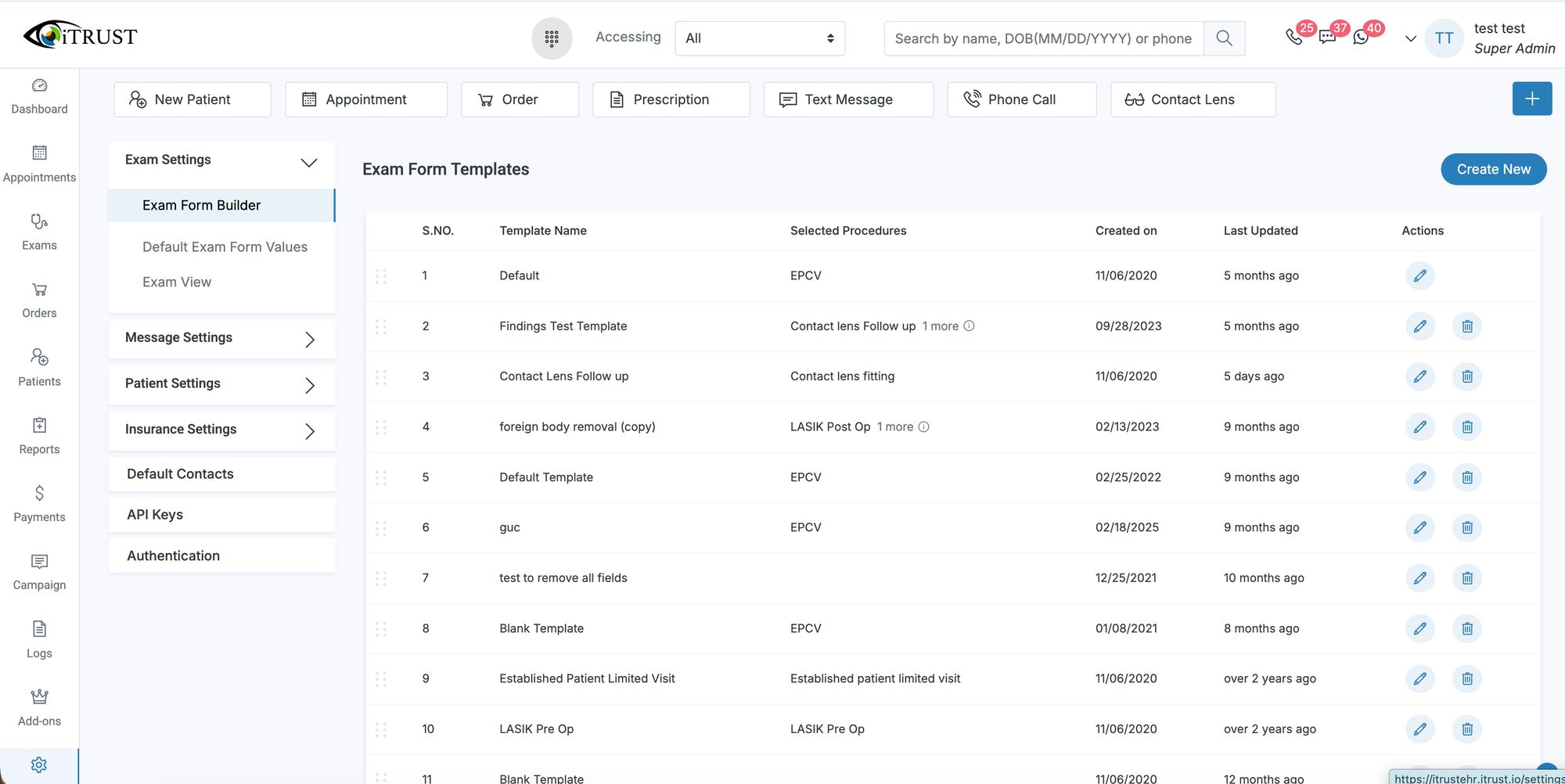
Data extracted from:
- Legacy EHR
- POS systems
- Lab ordering platforms
- Insurance & claims databases
Data mapped to Epic-aligned standards:
- Patient identity fields
- Clinical coding libraries
- Encounter types
- Appointment types
- Referring provider profiles
Interoperability prep included:
- Epic-style ADT test messages
- FHIR R4 demographic sync testing
- CCD export formatting
- API endpoint simulations
PHASE 2 — Workflow Standardization Across All Sites (3 Weeks)
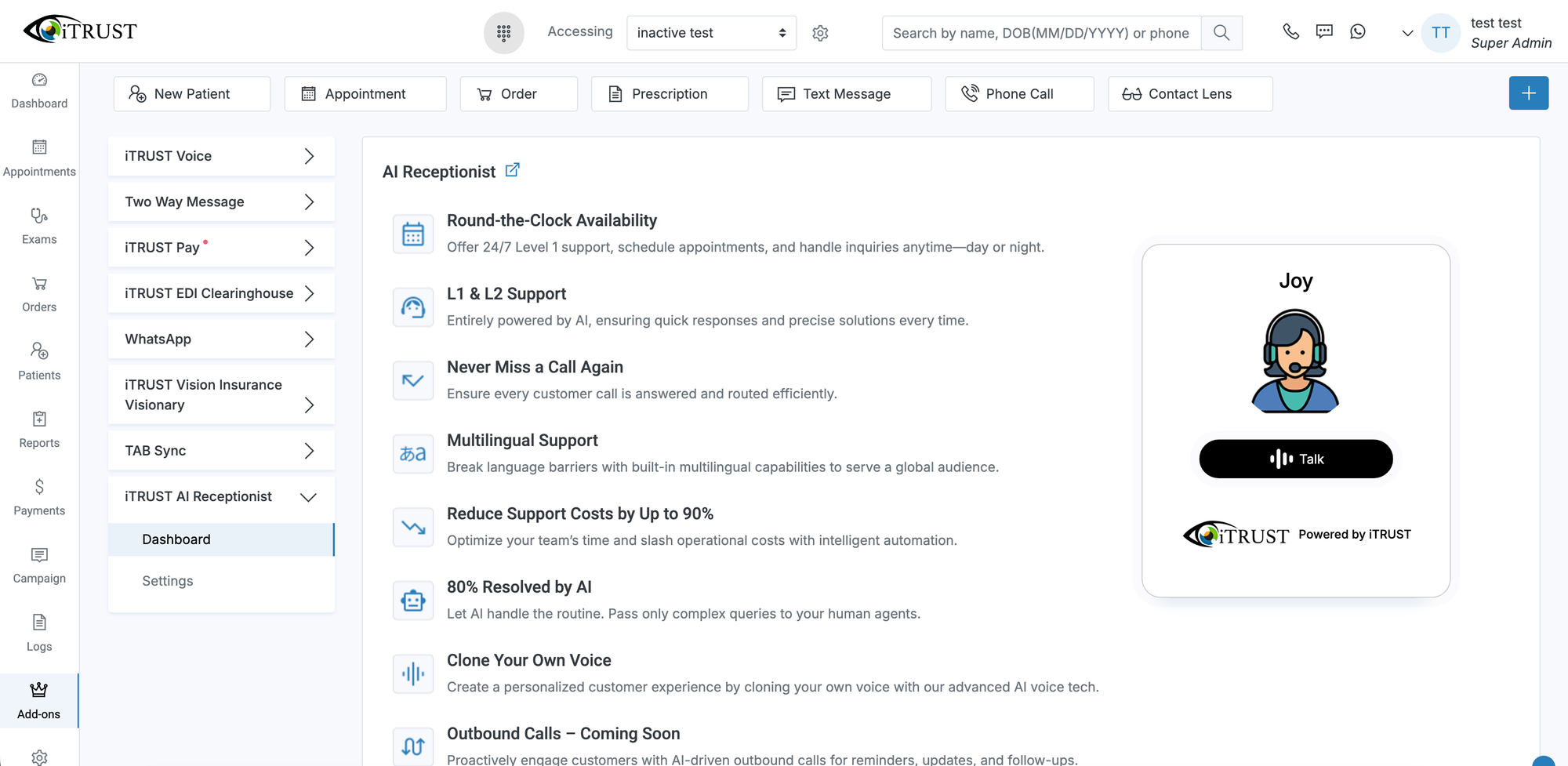
- Unified exam templates
- Unified POS workflows
- Consistent frame inventory rules
- Multi-location provider scheduling
- Centralized billing processes
- Single reporting framework
PHASE 3 — Go-Live & Interoperability Activation (2 Weeks)
- HL7/FHIR message flow validation
- Identity matching tests (Epic-style EMP/MPI logic)
- Secure referral document exchange
- Lab ordering integration
- Multi-site optical POS go-live
- Real-time dashboards activated across all Texas clinics
All locations were live on iTRUST within 9 weeks.
Results After 90 Days (Epic-Driven Gains)
Epic Interoperability Outcomes
- 82% reduction in manual referral faxing
- Automated ADT-based demographic syncing
- Standardized CCD summaries sent to medical partners
- Faster scheduling coordination with Epic-using groups
- Seamless exchange of encounter summaries for co-managed patients
Operational Improvements
- 50% faster optical order creation
- 60% reduction in remake errors
- Fully unified scheduling across all sites
- Instant visibility into frame inventory across all locations
Billing Performance
- 27% faster claim submission
- Improved clean-claim rate due to validation rules
- Better reimbursement tracking through unified dashboards
Retail & Optical Gains
- Real-time inventory synchronization across Texas
- Faster POS transactions and fewer checkout errors
- Unified lab routing and status tracking
Leadership Feedback
“The move to iTRUST aligned our optical operations with the same standards used by our Epic medical partners.
The interoperability workflows transformed how we share patient information, coordinate care, and manage multi-location operations.
iTRUST gave us a unified platform that actually scales with growth.”
(Anonymized per client request.)
Epic Interoperability Components Used
This group deployed the following Epic-aligned data workflows:
HL7 Message Types
- ADT A01/A04/A08 (patient registration, updates)
- ORU (results/outbound encounter summaries)
FHIR R4 Resources
- Patient
- Schedule
- Appointment
- Practitioner
- Coverage
CCD/Referral Summaries
- Auto-generated exam summaries compatible with EpicCare
- Sent through secure referral exchange workflows
Identity Management
- Matching logic compatible with EMP/Master Patient Index
- Unique ID handling for multi-location consistency
Summary
iTRUST enabled this Texas-based multi-location group to:
- Achieve Epic interoperability without adopting Epic
- Modernize all optical + retail workflows
- Reduce operational errors system-wide
- Improve scheduling and multi-location oversight
- Accelerate billing and claims
- Standardize every workflow across all sites
- Provide interoperability-ready clinical data exchange
The result:
A scalable, enterprise-class platform aligned with Epic workflows, optimized for optical and retail growth across Texas.